Internal Unloading
For 20 years, Italian biologists studied people who never get sick – they all shared one habit that looks insane in public.
Biologist Andrea Salvi spent two decades studying people who never took sick leave, never caught colds, and barely aged by biological markers. He searched for genes, diets, and routines — but it all came down to one strange detail: they talked to themselves out loud. Not in their heads — with their voice. He called it the “internal unloading effect” — a mechanism that keeps the immune system in regeneration mode.
When emotions aren’t spoken, they get stuck in the body. That’s not a metaphor — levels of inflammatory cytokines in people who suppress feelings are 35% higher. Those who verbalized their emotions showed the opposite: the body registers the voice as a signal that the stress or threat is recognized and resolved. The immune system relaxes, shifting from defense mood to repair.
Participants said they did it in the car, in the shower, on walks. “I talk to myself as if explaining what’s happening to me,” one wrote. According to Salvi, speaking aloud activates Broca’s area and suppresses the amygdala — the brain’s anxiety center. The mind perceives your own voice as an external authority taking control of the situation.
In 2021, neuroscientists from Bologna confirmed it: verbalizing inner states lowers cortisol levels by 23% in just five minutes. That’s why people who “talk to themselves” rarely fall into chronic stress — the very thing that destroys immunity. They literally speak out the illness before it reaches the body.
He wired volunteers to track cortisol and immune markers in real time. The moment people gave voice to their inner thoughts, stress hormones dropped by 35%. But those who stayed silent showed elevated cortisol for hours. One researcher noted: “Your body treats suppressed emotion like a toxin it can’t eliminate.”
A high-performing executive in the study said: “I prided myself on never processing out loud. Then they showed me my immune markers — I had the inflammatory profile of someone with chronic disease. The day I started narrating my stress to an empty room, my numbers changed within a week.”
The mechanism: speaking activates the vagus nerve, which slows heart rate and signals your immune system to stop treating your body like it’s under attack. He called it “audible digestion” — the mind needs to metabolize emotion the way the body digests food.
The darkest finding: people trained to “hold it together” showed the greatest immune suppression. A doctor said it brutally: “Your immune system mirrors your communication. What you refuse to express externally, your body stops defending internally. Most chronic illnesses start with silence locked inside the nervous system.”
Broca’s area
Broca's area, or the Broca area, is a region in the frontal lobe of the dominant hemisphere, usually the left, of the brain with functions linked to speech production.
Amygdala
Amygdala is a roughly almond-shaped mass of grey matter inside each cerebral hemisphere, involved with the experiencing of emotions. It is part of the limbic system and plays a key role in processing emotions and emotional reactions.
Cytokines
Cytokines are signaling proteins that help control inflammation in your body. They allow your immune system to mount a defense if germs or other substances that can make you sick enter your body. Too many cytokines can lead to excess inflammation and conditions like autoimmune diseases.
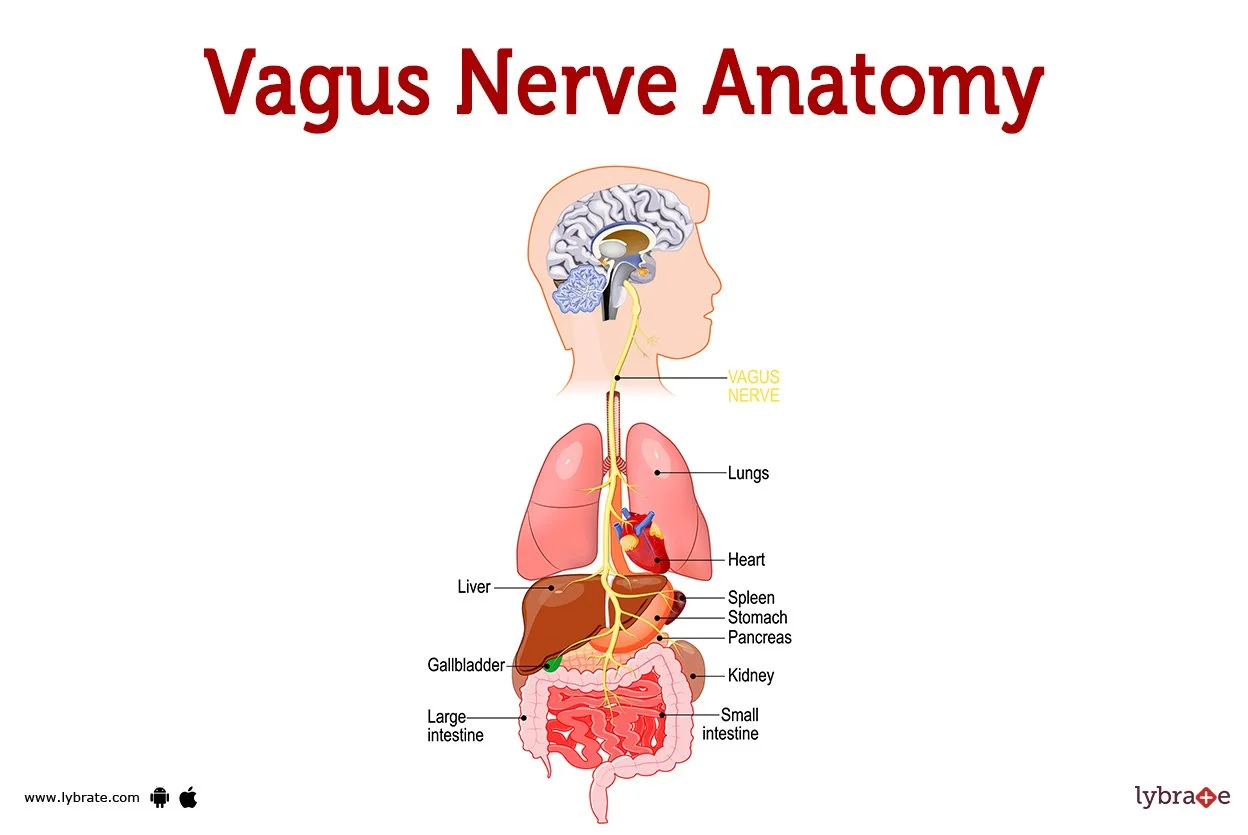
Vagus Nerve
The vagus nerve, also known as the tenth cranial nerve (CN X), plays a crucial role in the autonomic nervous system, which is responsible for regulating involuntary functions within the human body. This nerve carries both sensory and motor fibers and serves as a major pathway that connects the brain to various organs, including the heart, lungs, and digestive tract. As a key part of the parasympathetic nervous system, the vagus nerve helps regulate essential involuntary functions like heart rate, breathing, and digestion. By controlling these processes, the vagus nerve contributes to the body's "rest and digest" response, helping to calm the body after stress, lower heart rate, improve digestion, and maintain homeostasis.
Homeostasis
The tendency towards a relatively stable equilibrium between interdependent elements, especially as maintained by physiological processes.